Flute
A cardboard flute is the wavy layer of paper that's sandwiched between two sheets of cardboard in corrugated cardboard. The flute's design, thickness, and structure determine the strength, flexibility, and rigidity of the cardboard.
The most common flute types used in cardboard packaging include E, B, C, BC and EB.
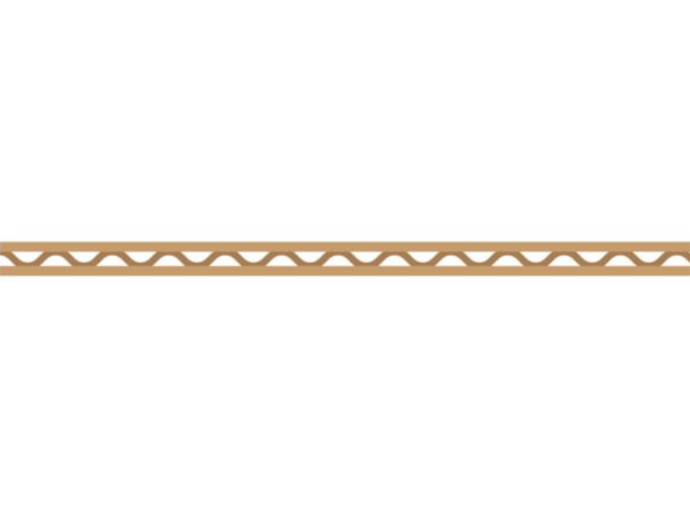
E Flute
E flute is approximately 1mm to 1.5mm in thickness, providing a very fine flute. This not only gives it excellent compression strength and crush resistance, but also means it provides a high quality surface for printing.
As a result, it is commonly used smaller cartons, where good quality print is required, plus die cutting applications.
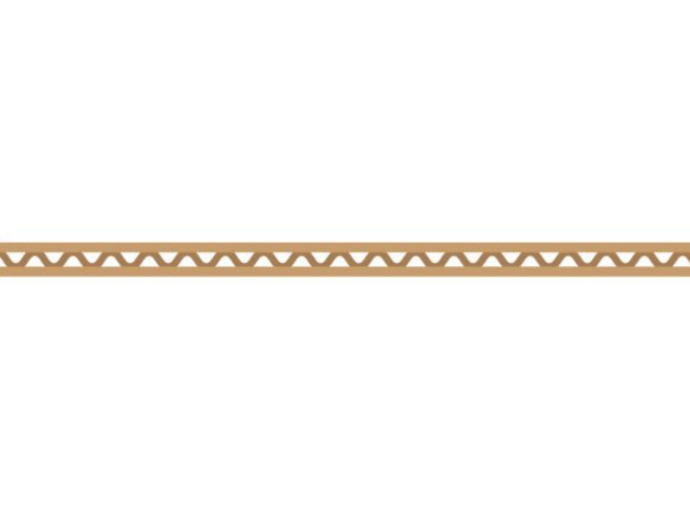
B Flute
B flute is amongst the most commonly used types of cardboard used for packaging applications. Being 3mm in thickness, it is exceptionally versatile and can be used in both die cutting and regular case-making processes
It gives good all-round performance in all types of packaging.
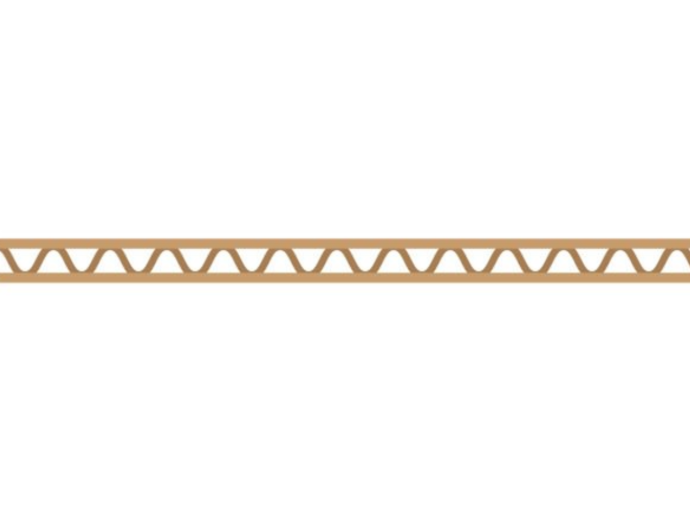
C Flute
Between 3.5mm and 4mm in thickness, C flute offers greater compression strength than B Flute. This means it provides better stacking strength when used for lightweight products.
However, it can, if used in the wrong application, be prone to crushing.
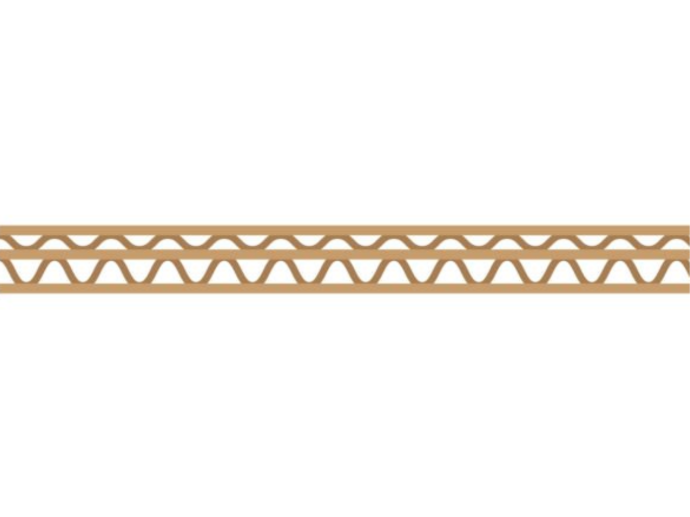
BC Flute
Being 6mm to 7mm in thickness, this double wall material combines both B and C flutes together. This gives a good all round performance, making it common for producing shipping boxes that offer a higher level of transit protection.
EB Flute
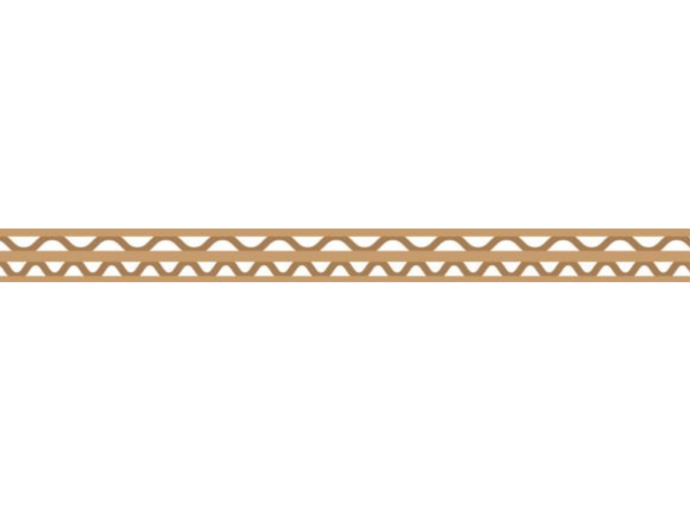
Around 4mm to 4.5mm thick, EB flute (as the name suggests) combines E and B flutes into a double walled material. Due to utilising both a very fine (E) and relatively large (B) flute, this grade provides an excellent balance between transit protection, strength and print finish.

To install this Web App in your iPhone/iPad press
 and then Add to Home Screen.

