Learn Cardboard Boxes
The essentials you need to make the right packaging choice
Get In Touch Start a Online Quote
Cardboard packaging is both simple and sophisticated, designed to balance strength, sustainability, and cost. Here you can explore how different box styles, board grades, and fluting types work, and why these details matter for protection and performance. Whether you’re choosing packaging for the first time or looking to improve what you already use, this guide will help you make informed and practical decisions.
Why It Matters
You don’t need to know your FEFCO codes or flute types to get the right box, that’s our job. But sometimes it helps to understand the basics, so you feel confident about the choices being made. This page is here to cut through the jargon and explain the essentials in plain English, so you can see how each element fits together. And whenever you need advice, we’ll guide you to the right spec.
Click below to learn more:


Box Style
Every cardboard box design has a code called a FEFCO code. It’s a simple, standardized numbering system created by the European Federation of Corrugated Board Manufacturers. Each FEFCO style represents a particular design, from a simple slotted case to a die-cut with a hinged lid.
Why this matters for you:
If you know your codes, you can describe your needs quickly, and we’ll know exactly what you mean. When we quote, we’ll refer to FEFCO codes so that there’s no ambiguity. You’ll always know what you’re getting.
We’ll always make sure the grade you choose is fit for purpose, and we’ll guide you to styles that stack well, ship safely, or impress at unboxing.
Board Grade
Think of board grade as the backbone of your box. It’s defined by the flute, the number of layers, and the papers used.
Why this matters for you:
- The right grade protects without inflating cost.
- Heavier grades suit fragile or bulky products, lighter grades are ideal for everyday shipping.
- Get it right, and you’ll avoid over-specifying and overspending.
We’ll match the grade to your product and supply chain so you’re paying for exactly the strength you need, nothing more, nothing less.


Flute
The flute is the wavy middle layer that gives corrugated board its strength and cushioning. Different letters (E, B, C, etc.) describe different characteristics.
Why this matters for you:
- Thin/Slim flutes (E) = smaller boxes and sharp print finishes.
- Medium flutes (B) = the go-to balance of strength and cost.
- Larger flutes (C) = more cushioning for heavier or fragile goods
We’ll recommend the flute that keeps your product safe without adding unnecessary bulk or expense.
Board Colour
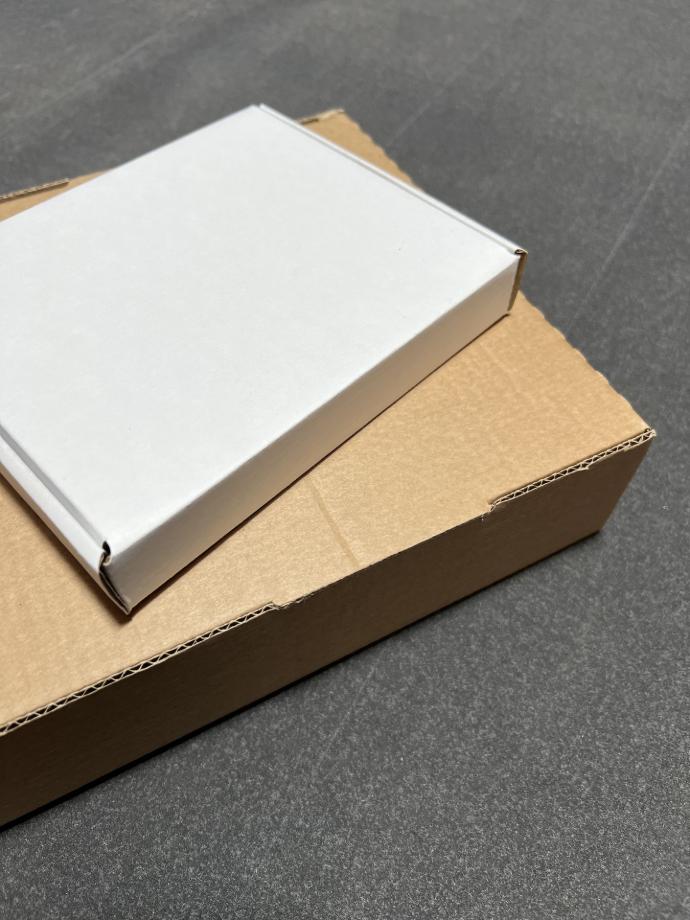
Board colour changes the look and feel of your packaging. The two most common are kraft (brown) and white.
Why this matters for you:
- Kraft — cost-effective, natural, durable.
- White — sharp print, clean look, often chosen by beauty, tech, and premium brands.
If print and branding are a priority, we’ll show you side-by-side samples so you can see how your design performs on each.
Frequently Asked Questions
FEFCO stands for the European Federation of Corrugated Board Manufacturers. The FEFCO code is a standardised system used worldwide to describe box styles.
FEFCO codes make it easy to identify and communicate box designs without needing technical drawings, ensuring consistency across manufacturers.
Popular FEFCO styles include 0201 (standard shipping box), 0427 (die-cut box with hinged lid), and 0300 (base and lid).
The right FEFCO style depends on your product type, protection level needed, and how the box will be used — for example, shipping, display, or storage.
Yes — all FEFCO styles can be custom-sized, printed, and adapted with fittings or inserts to suit your products.
Not at all. Share what you’re packing and we’ll work it out for you.
Just tell us. If you already know your spec, we’ll match it exactly.
Ready to get the right box?
Know exactly what you need? Perfect — just tell us the spec and we’ll get your boxes moving. Not sure? That’s fine too. Tell us what you’re packing, how it’s shipped, and how you want it to look. We’ll handle the detail and make sure your packaging does its job brilliantly — protecting your product and presenting your brand.

To install this Web App in your iPhone/iPad press
 and then Add to Home Screen.

